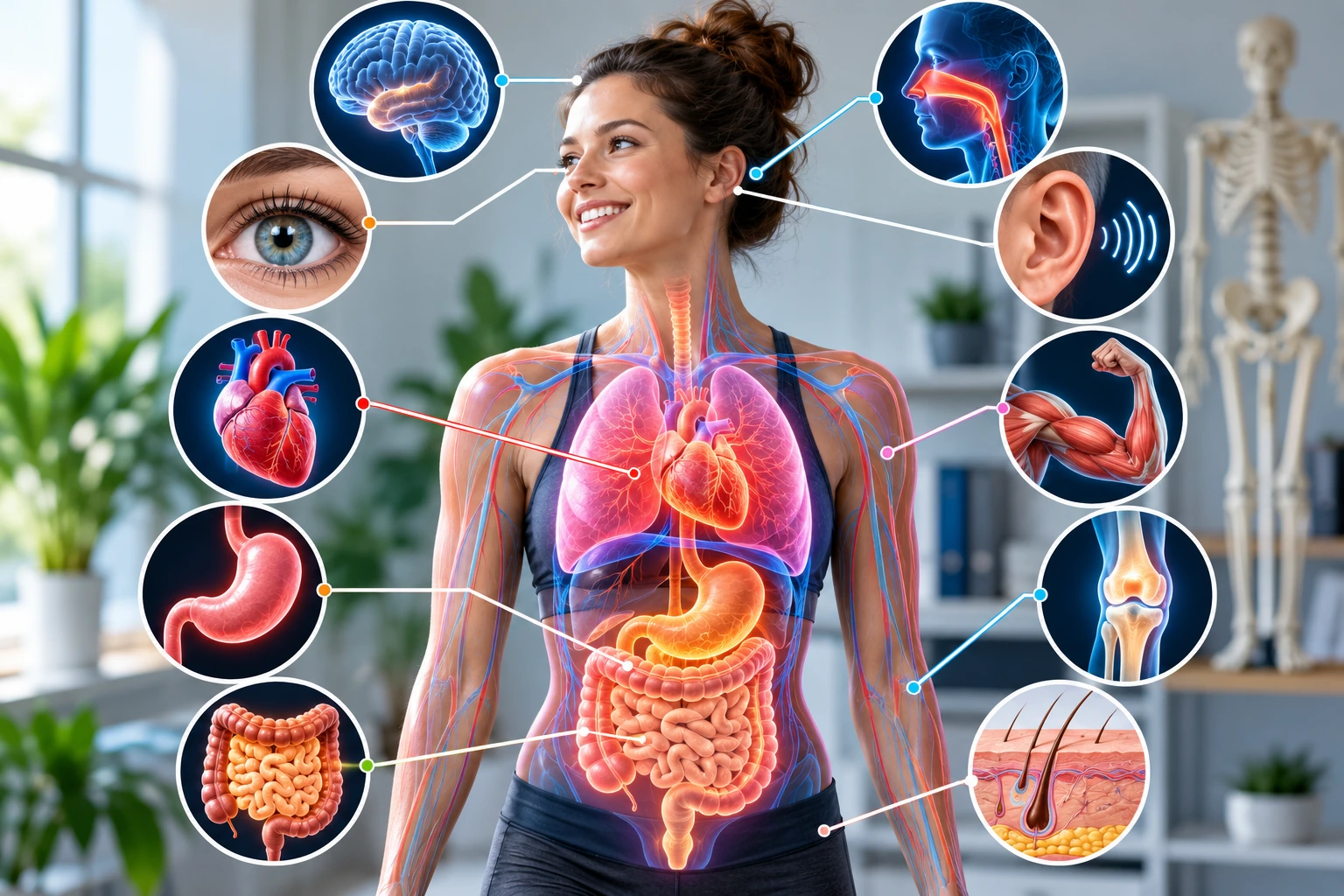
The human body is an incredibly complex system that works continuously, often without us noticing. From breathing and digestion to repairing tiny injuries, thousands of biological processes happen every day. Many of these functions are so familiar that we rarely stop to think about how remarkable they are.
1. Your Brain Uses a Significant Amount of Energy
Although the brain makes up only a relatively small portion of total body weight, it requires a substantial amount of energy to function. The brain is constantly processing information, controlling movement, regulating essential body functions, and responding to the environment.
Even while you are resting or sleeping, your brain remains active. It manages breathing, circulation, temperature regulation, memory processing, and many other activities.
2. Your Heart Beats Thousands of Times Every Day
The heart is continuously working to circulate blood throughout the body. With every heartbeat, it pumps blood through a vast network of blood vessels, delivering oxygen and nutrients to tissues while helping transport waste products away.
The exact heart rate varies from person to person and changes with activity, emotions, stress, sleep, and other factors. Over an ordinary day, however, the heart may beat tens of thousands of times.
3. Your Skin Is the Body’s Largest Organ
Skin does much more than cover the body. It acts as a protective barrier against the outside environment and contributes to temperature regulation, sensation, and prevention of excessive water loss.
Your skin is continually renewing itself. Older surface cells are shed while newer cells develop underneath, making skin care and protection an important part of general health.
4. Bones Are Living Tissue
Bones may seem hard and permanent, but they are living tissues that continuously change. Specialized cells help build and break down bone as part of the body’s natural remodeling process.
Bone health is influenced by factors such as physical activity, nutrition, age, hormones, and overall health. Weight-bearing exercise and adequate nutrients are important parts of maintaining strong bones.
5. Your Body Produces Saliva Every Day
Saliva is essential for more than simply keeping your mouth moist. It helps begin the digestive process, makes swallowing easier, and supports oral health.
Saliva also helps protect the mouth by washing away food particles and contributing to the mouth’s natural chemical balance. Production changes depending on factors such as food, smell, thoughts about food, hydration, and certain medications.
6. Your Lungs Have a Huge Surface Area
The lungs contain millions of tiny air sacs called alveoli. These structures provide a large surface through which oxygen can enter the bloodstream and carbon dioxide can leave it.
Breathing happens automatically most of the time, but it can also be consciously controlled for short periods. The respiratory system works continuously, whether you are exercising, sleeping, talking, or relaxing.
7. Your Stomach Does Not Digest Itself
The stomach contains powerful acids and digestive substances that help break down food. Yet the stomach has protective mechanisms that help prevent its own tissues from being damaged.
A protective mucus layer, cellular defenses, and other mechanisms work together to protect the stomach lining. When these defenses are disrupted, certain stomach problems can develop.
8. Your Body Temperature Is Carefully Regulated
The human body constantly works to maintain an appropriate internal temperature. The brain, skin, blood vessels, muscles, and other systems all contribute to temperature regulation.
When you are hot, your body can increase sweating and change blood flow near the skin. When you are cold, muscles may contract rapidly, producing the familiar sensation of shivering.
9. Your Body Is Home to Trillions of Microorganisms
The human body hosts communities of microorganisms, particularly in areas such as the digestive tract and on the skin. Many of these microorganisms are harmless or beneficial and interact with the body in complex ways.
The microorganisms living in the digestive system are often collectively referred to as the gut microbiome. Research continues to explore how these microbial communities interact with digestion, immunity, metabolism, and other aspects of health.
10. Your Body Is Constantly Repairing Itself
Every day, cells become damaged or reach the end of their normal life cycle. The body has systems that replace cells, repair tissues, fight harmful organisms, and maintain internal balance.
A small cut, for example, can trigger a coordinated healing process involving blood clotting, immune responses, inflammation, and tissue repair.
Why Understanding Your Body Matters
Learning basic facts about the human body can encourage greater awareness of everyday health. Sleep, nutrition, hydration, movement, hygiene, and stress management all influence the systems that keep the body functioning.
Understanding how the body works can also help you recognize when something feels unusual. However, general knowledge should not replace professional medical advice when persistent or concerning symptoms occur.
Conclusion
The human body performs countless complicated tasks every moment, many of which happen automatically. From the beating heart and active brain to constantly renewing skin and living bones, everyday biology is full of fascinating details.
These 10 facts are only a small glimpse into how the body works. Paying attention to basic health habits and learning more about your body’s functions can help you appreciate the remarkable systems that support everyday life.