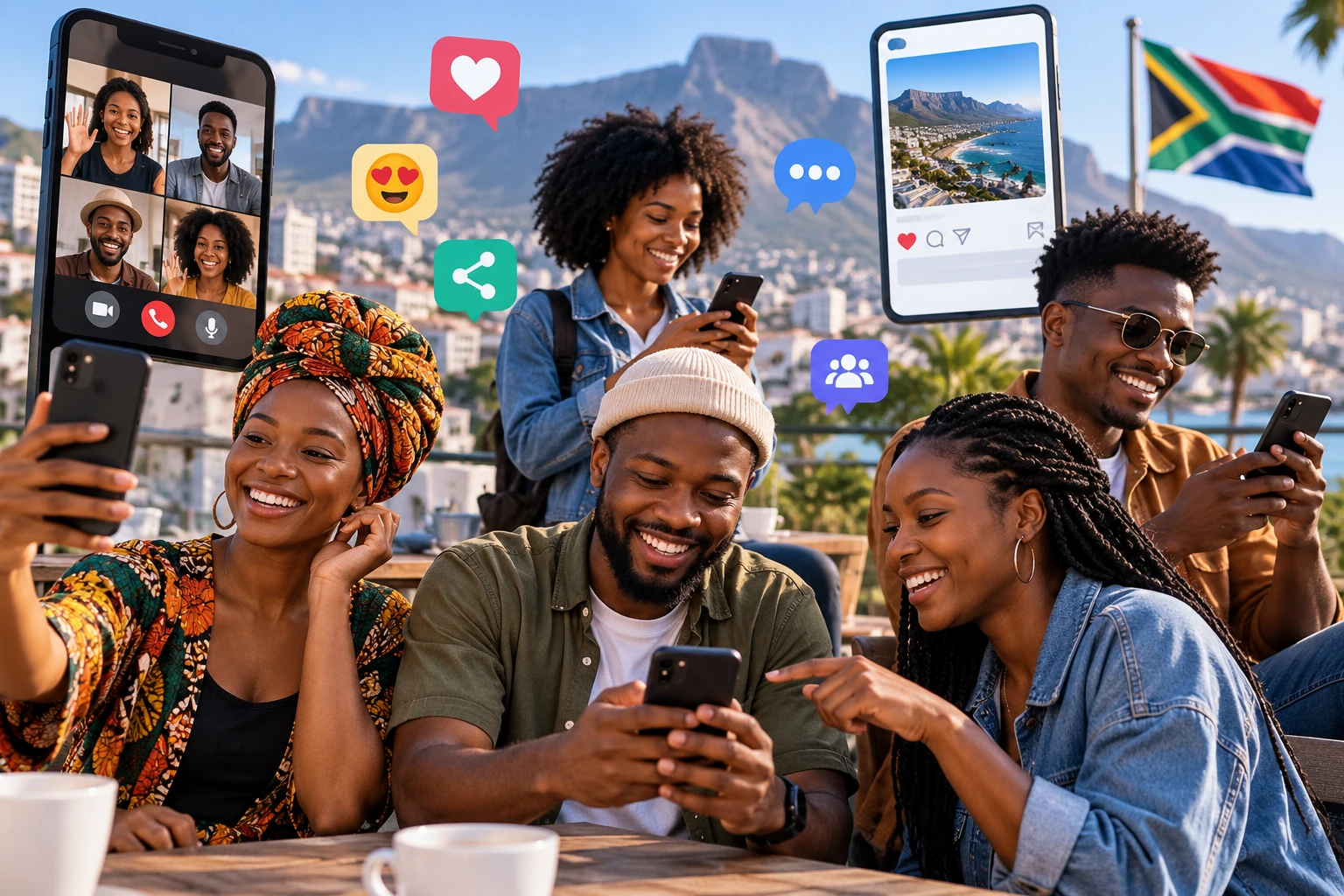
Social media has become an important part of everyday communication. Platforms that allow people to share messages, photographs, videos, opinions, and updates have changed how we interact with friends, family, colleagues, businesses, and communities.
Communication that once depended mainly on face-to-face conversations, phone calls, or emails can now happen almost instantly through social networks and messaging features. This transformation has created new opportunities while also changing traditional communication habits.
Communication Has Become Faster
One of the most noticeable effects of social media is speed. A message can be written and delivered within seconds, regardless of the distance between people.
This makes it easier to share important updates, coordinate plans, respond to questions, and stay connected with people who live far away. Instead of waiting for a scheduled phone call or an in-person meeting, people can communicate whenever it is convenient.
Visual Communication Has Become More Important
Social media has made images, videos, GIFs, stickers, and emojis an everyday part of communication. People often use visual elements to express emotions or explain ideas that may be difficult to communicate through words alone.
A photograph can provide context immediately, while a short video can demonstrate something more effectively than a long written explanation. Emojis can also add emotional meaning to a short message.
Shorter Messages Are Common
Social media has encouraged a more concise style of communication. Character limits, fast-moving feeds, and the large volume of content users encounter every day can encourage people to express ideas quickly.
Short posts, comments, captions, and messages have become normal. While concise communication can be convenient, complex subjects may require more detailed conversations than a short post can provide.
People Can Communicate Across Borders
Geographical distance has become less of a barrier to everyday communication. Friends and family members living in different cities or countries can share updates regularly.
Social media also allows people with similar interests to connect even when they have never met in person. Communities can form around hobbies, education, professional interests, entertainment, travel, and many other subjects.
Communication Can Be More Public
Traditional conversations are often private, but social media can make communication visible to much larger audiences. A single post may be viewed, shared, commented on, or discussed by people outside the original social circle.
This changes how people think about what they communicate. A casual statement made online can potentially reach a much wider audience than the person originally expected.
Social Media Has Changed Professional Communication
Businesses and professionals also use social platforms to communicate with customers, colleagues, and audiences. Companies can announce products, respond to customer questions, share updates, and publish educational content.
For individuals, social media can provide opportunities to build professional networks, share knowledge, and communicate expertise. However, users should remember that online professional communication can contribute to their public digital presence.
Conversations Can Happen at Any Time
Social media does not require everyone to be available simultaneously. Someone can send a message while another person is sleeping or working and receive a response later.
This asynchronous style of communication can be convenient, particularly for people in different time zones. At the same time, constant notifications can create pressure to respond immediately.
Tone Can Be Difficult to Understand
Written digital communication does not always convey facial expressions, voice tone, or body language. As a result, a message intended to be humorous, casual, or neutral can sometimes be interpreted differently.
Emojis and punctuation may provide additional context, but they cannot completely replace the information available during an in-person conversation.
For sensitive or complicated subjects, a phone call or face-to-face conversation may sometimes provide clearer communication.
Social Media Can Influence Attention
Social media feeds are designed to present a continuous stream of content. Users may move quickly from one post to another, switching between conversations, videos, advertisements, and news.
This can encourage rapid consumption of information and shorter attention periods during online interactions. It can also make it easier for important conversations to become mixed with unrelated content.
Digital Etiquette Matters
As communication moves online, basic digital etiquette becomes increasingly important. Thinking before posting, respecting other people’s privacy, avoiding unnecessary arguments, and checking information before sharing it can help create healthier online interactions.
People should also remember that written messages can be saved, forwarded, or viewed outside their original context. Taking a moment to consider the potential audience can prevent misunderstandings.
Finding a Balance Between Online and Offline Communication
Social media can make staying connected easier, but it does not replace every form of communication. Personal conversations, phone calls, meetings, and shared experiences still provide important opportunities for meaningful interaction.
Using different communication methods depending on the situation can create a better balance. A quick message may be perfect for confirming plans, while a serious personal discussion may benefit from a private conversation.