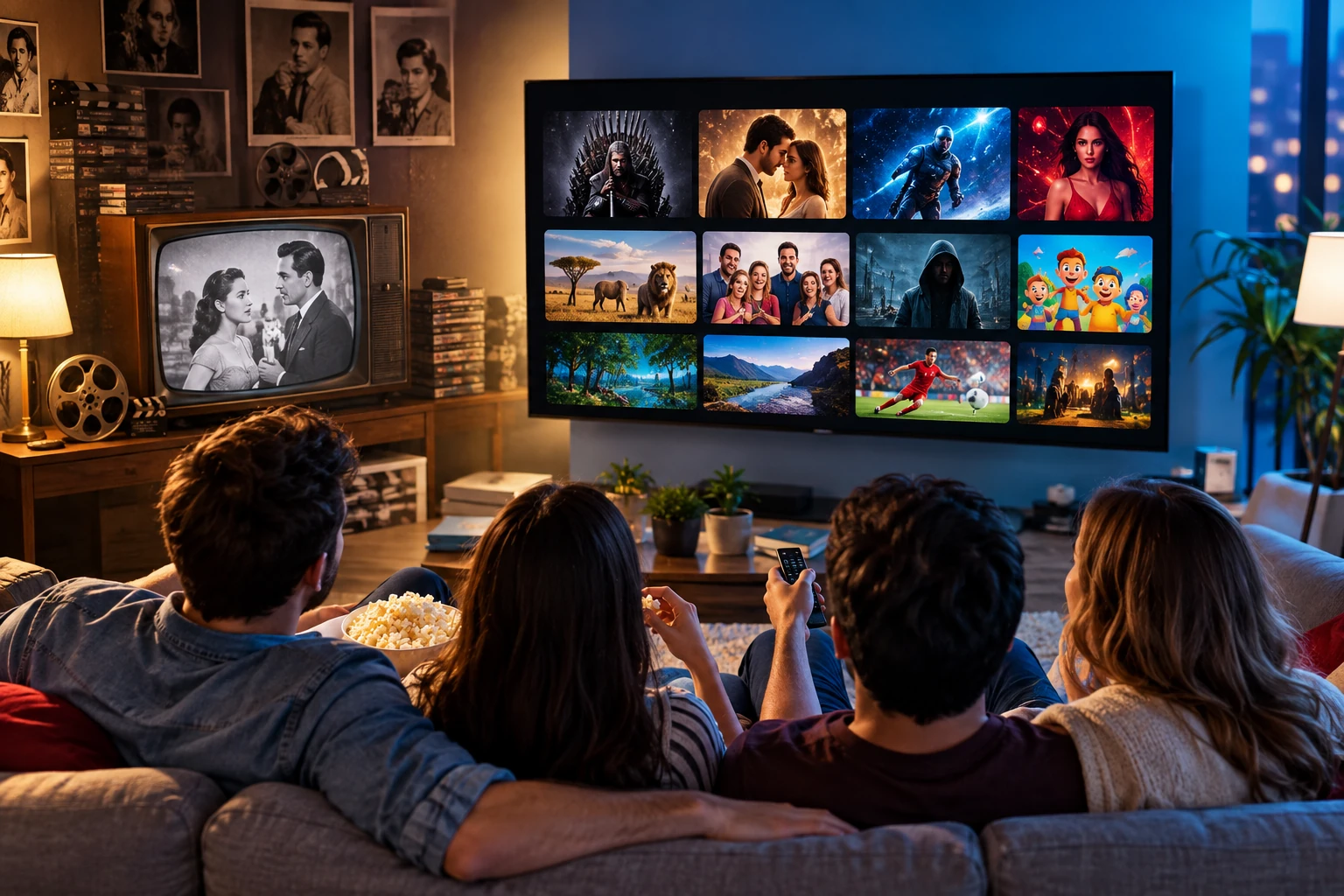
Entertainment has changed dramatically with the growth of streaming platforms. Not long ago, watching a particular movie or television program often meant waiting for a scheduled broadcast, visiting a cinema, purchasing physical media, or downloading content. Today, viewers can access large libraries of movies, shows, documentaries, and other programs through internet-connected devices.
Entertainment Became More On-Demand
One of the biggest changes brought by streaming is the move toward on-demand viewing. Instead of waiting for a program to appear at a particular time, viewers can often choose what they want to watch whenever it is available.
This flexibility fits easily into modern lifestyles. Someone can watch an episode during a lunch break, continue a series in the evening, or save a movie for the weekend.
Viewers Have More Choices
Streaming services have expanded the amount and variety of entertainment available to audiences. Alongside popular movies and television programs, viewers may find documentaries, international productions, independent films, animation, stand-up comedy, reality programs, and niche genres.
This wider selection allows people to explore content that may not have been easily accessible through traditional television schedules.
Binge-Watching Became Common
Traditional television often encouraged audiences to watch one episode at a time. Streaming changed this pattern by making multiple episodes available together in many cases.
As a result, binge-watching became a familiar part of entertainment culture. Viewers can watch several episodes in one sitting instead of waiting a week for the next installment.
While this can make storytelling more immersive, it can also encourage people to spend longer periods watching screens than they originally planned.
Personalized Recommendations Influence Discovery
Streaming platforms commonly use viewing behavior and preferences to recommend content. These systems can help viewers discover movies or shows that match their interests.
Instead of browsing only through a television schedule, audiences may receive personalized suggestions based on previous viewing activity. This can make content discovery easier, although it also means algorithms can play a significant role in what viewers notice.
Global Entertainment Became More Accessible
Streaming has also helped audiences discover entertainment from different countries and cultures. International series and films can reach viewers far beyond their original markets, particularly when subtitles or dubbed versions are available.
This has contributed to greater exposure to different languages, storytelling styles, characters, and cultural perspectives.
Viewing Moved Beyond the Television
A television is no longer the only major screen for watching entertainment. Streaming can be accessed through smartphones, tablets, computers, smart televisions, and other compatible devices.
This portability means entertainment can accompany viewers in many parts of their daily lives. People can watch at home, while traveling, or in other suitable settings where internet access and the necessary service are available.
Traditional Release Patterns Have Changed
Streaming has introduced new approaches to releasing entertainment. Some programs continue to use weekly episode releases, while others make an entire season available at once.
Movies have also experienced changes in distribution. Some productions may reach streaming audiences relatively soon after theatrical releases, while other content is created specifically for online platforms.
These different release strategies have given producers and viewers more options.
Social Conversations Have Changed
Streaming has influenced the way audiences discuss entertainment. A popular series can generate conversations across social networks, messaging apps, forums, and other online communities.
At the same time, the availability of entire seasons can create challenges around spoilers. People watching at different speeds may experience the same story at very different times.
Subscription Choices Affect Viewing Habits
Instead of paying for one television package, viewers may choose among different streaming subscriptions. Some services specialize in particular types of content, while others provide broad entertainment libraries.
As the number of platforms increases, viewers may also become more selective about which subscriptions they maintain. Costs can add up when several services are used simultaneously, making subscription management part of the modern viewing experience.
Advertising Is Evolving
Streaming has also introduced new approaches to advertising. Depending on the service and subscription plan, viewers may encounter advertisements before or during programs.
This has created another model between traditional television and fully subscription-based viewing, giving consumers different choices while allowing services to generate advertising revenue.
The Future of Entertainment Viewing
Streaming is likely to remain an important part of the entertainment landscape, but traditional forms of viewing have not simply disappeared. Cinemas, broadcast television, live events, and physical media continue to serve audiences for different purposes.
The major change is that viewers now have more ways to access entertainment and greater control over their viewing habits.
Conclusion
Streaming platforms have transformed entertainment by making viewing more flexible, personalized, and accessible. On-demand libraries, binge-watching, personalized recommendations, international content, and multi-device access have changed everyday viewing habits.
Rather than simply replacing older forms of entertainment, streaming has expanded the choices available to audiences. The result is an entertainment environment where viewers increasingly decide what to watch, when to watch it, and how they want to experience it.






Leave a Reply