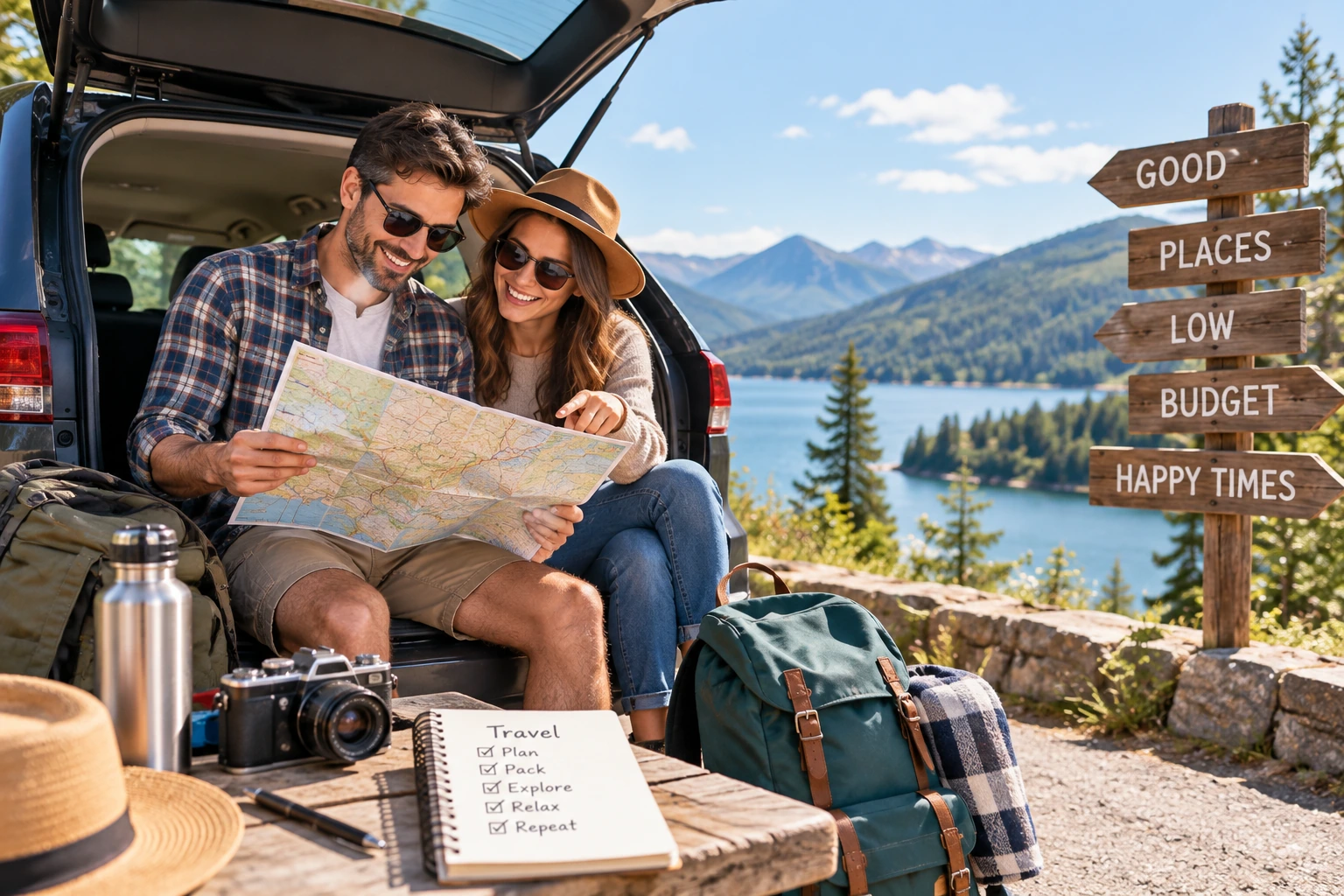
A weekend getaway can be a great way to take a break from work, household responsibilities, and everyday routines without spending a large amount of money. You do not need an expensive international holiday or a long vacation to enjoy a refreshing trip. With careful planning, a short getaway can be affordable, comfortable, and enjoyable.
Choose a Destination Within Easy Reach
The first step is selecting a destination that does not require a long or expensive journey. For a weekend trip, traveling somewhere relatively close to home can give you more time to enjoy the destination.
Look for nearby cities, hill stations, nature areas, historical places, beaches, or countryside destinations depending on where you live. A shorter journey can reduce transportation expenses while also making the trip less tiring.
Set a Realistic Budget
Before booking anything, decide how much you are comfortable spending. Divide your budget into major categories such as:
- Transportation
- Accommodation
- Food
- Local travel
- Activities and attractions
- Shopping
- Emergency expenses
Keeping a small amount aside for unexpected costs can prevent financial stress during the trip.
Travel During Less Busy Times
Weekend travel can become expensive when demand is high. If your schedule is flexible, consider traveling early in the morning or returning later in the evening.
You can also compare different dates before booking. Public holidays, festivals, and major local events may increase accommodation and transportation prices, so checking the calendar beforehand can help you avoid unnecessary expenses.
Compare Transportation Options
Transportation can take up a significant part of a weekend travel budget. Compare options such as trains, buses, shared transportation, or driving your own vehicle.
For road trips, calculate fuel, tolls, parking, and potential maintenance costs rather than looking only at fuel expenses. If traveling with friends or family, sharing transportation costs can make the journey more economical.
Pick Practical Accommodation
You do not need a luxury hotel to have a comfortable weekend. Look for clean, safe, well-reviewed accommodation in a convenient location.
A property slightly outside the busiest tourist area may cost less while still providing easy access to major attractions. Before booking, check what is included in the price, such as breakfast, parking, Wi-Fi, or taxes.
Plan a Flexible Itinerary
One common mistake is trying to visit too many places in a short weekend. A packed schedule can turn a relaxing trip into a race from one attraction to another.
Instead, select two or three main experiences you genuinely want to enjoy. Leave some free time for walking around, relaxing at the accommodation, enjoying local food, or discovering something unexpected.
Research Free and Low-Cost Activities
Many destinations offer enjoyable experiences that cost little or nothing. Parks, walking trails, public beaches, markets, historical streets, viewpoints, museums with free-entry periods, and local cultural areas can provide memorable experiences without a large activity budget.
Research these options before your trip and create a mix of paid and free activities.
Plan Your Meals
Food expenses can quickly increase when traveling. Instead of eating at expensive tourist-oriented restaurants for every meal, research affordable local eateries.
You can also choose accommodation that includes breakfast or provides basic kitchen facilities. Carrying water and a few snacks for the journey can help avoid unnecessary purchases along the way.
Pack Smart
Packing appropriately can save both money and time. Check the weather forecast before leaving and take clothing suitable for the destination.
Carry essentials such as chargers, medications you normally use, toiletries, comfortable footwear, reusable water bottles, and any documents you may need. Avoid overpacking because extra luggage can make a short trip more difficult.
Keep Some Plans Unscheduled
A stress-free getaway should include time to slow down. You do not have to turn every hour into an activity.
Leave a few hours open for relaxing, taking photographs, enjoying a café, reading, or simply exploring at your own pace. This flexibility also helps if weather or transportation causes an unexpected change.
Prepare Before You Leave
A little preparation can prevent many common travel problems. Confirm your accommodation, check transportation schedules, download important maps, keep booking information accessible, and check local weather conditions.
If you are driving, inspect the vehicle and plan fuel stops. Having important information ready can reduce last-minute anxiety.
Conclusion
A budget-friendly weekend getaway is mainly about making thoughtful choices rather than spending more money. Choosing a nearby destination, setting a clear budget, comparing transportation, selecting practical accommodation, and avoiding an overly packed itinerary can make a short trip considerably more enjoyable.